Project_11-07(2)_hd 720p_low_fr25mp4 May 2026
A shadow moves across the kitchen wall. It doesn't belong to the girl. It’s tall, spindly, and moves with a jittery, digital lag, as if the person it belongs to is dropping frames in real life. The girl doesn't look back. She reaches out and touches the refrigerator door. As her fingers meet the metal, the video begins to "pixelate"—not the standard digital noise, but actual holes appearing in the footage, revealing a void of pure white behind the image.
Elias found the drive in a box of "junk" at a local estate sale. It was a bulky, silver external drive from 2012, coated in a fine layer of gray dust. When he plugged it in, the fan whirred like a dying bird. Most of the folders were empty, but deep within a directory labeled TEMP_EXPORTS , there was a single file: Project_11-07(2)_HD 720p_LOW_FR25.mp4 . Project_11-07(2)_HD 720p_LOW_FR25mp4
The frame rate is choppy—25 frames per second, but dropping lower. The girl begins to whisper. The audio is muffled, but Elias turns his speakers up until the static hum fills the room. "It’s not time yet," she says. "The export isn't finished." A shadow moves across the kitchen wall
He double-clicked. The media player struggled for a moment before a grainy, low-bitrate image flickered to life. The girl doesn't look back
The girl turns her head 180 degrees to look directly into the lens. Her face is a smear of compression artifacts, but her eyes are clear, dark, and wide. "Project 11-07 is a loop, Elias," she whispers. The video cuts to black.
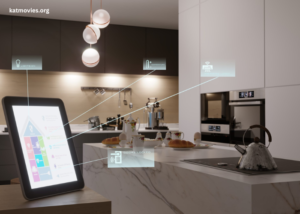
The camera is stationary, positioned low to the ground. It’s a kitchen, late at night. The only light comes from the blue glow of a digital oven clock. In the center of the frame, a young girl in mismatched pajamas is sitting on the floor, perfectly still. She isn't playing; she’s staring at the refrigerator.
Behind him, he heard the distinct click of a camera lens autofocusing.