One App - Eight languages.
Read news in your preferred language.
otvety na zadaniia 19 paragrafa v istorii 10 klassa volobuev

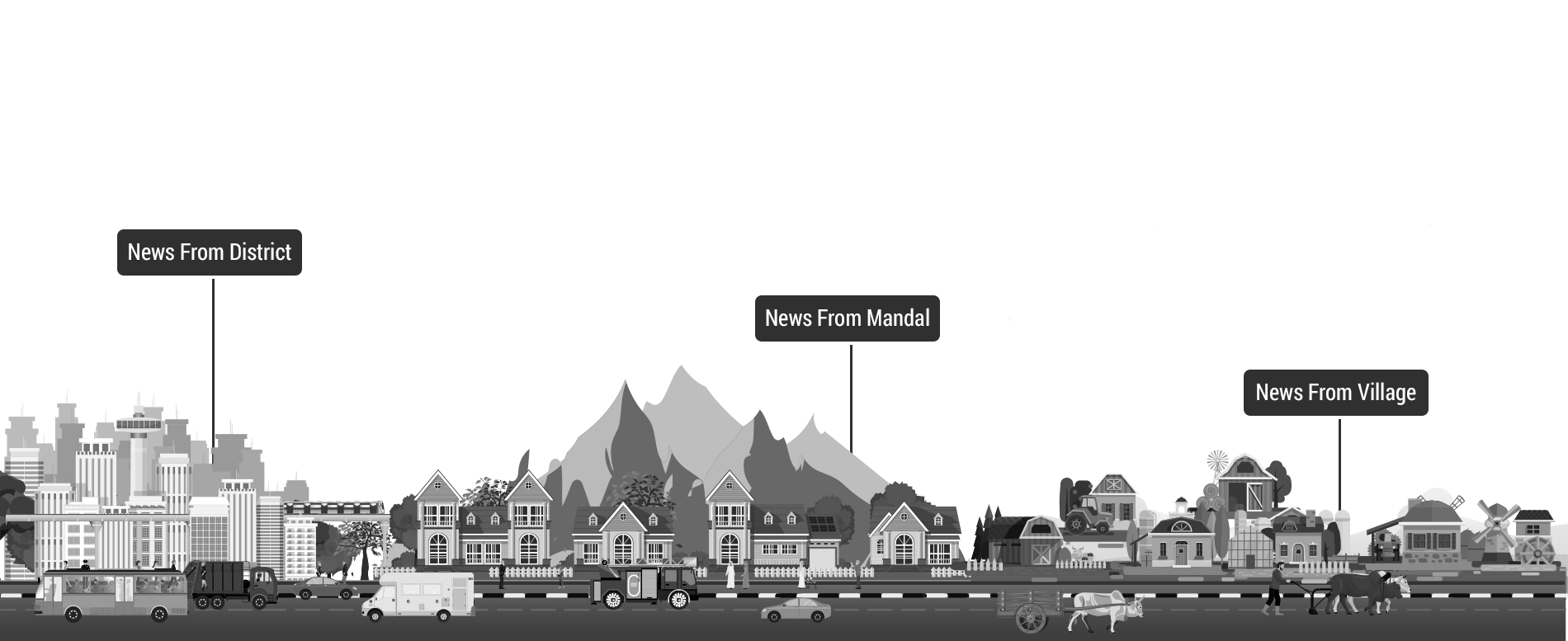
Way2News, India's largest hyperlocal news app covers news from 400 districts and generating more than 4 billion screen views every month - that's 3 times the entire Indian population. The "grain procurement crisis" of 1927–1928 showed that

Let your friends read the news you intend to share with them.
Travel, Health, Finance & many more- Pick Magazines of your favourite topic and lay back to read.
Cinema, Business or sports, read the News from the category of your preference.
Reading in dark? Then make it better for your eyes with 'Night Mode'
Read the News articles at ease by just flipping them up and down.
Participate in Polls on different issues and contribute your opinion to country wide taken stats.
Read the most trendy and widely shared flips from 'Top Buzz'.
Save the articles you want to revisit by adding them to 'My bookmarks'.
Way2News brings real time news. We understand your reading preference and promise to deliver personalized news flips.

The "grain procurement crisis" of 1927–1928 showed that the NEP’s market-based approach couldn't guarantee enough food for the growing cities and army.

The central economic planning tool used to set production targets for 5-year periods.
Focusing on heavy industry (coal, steel, machinery) rather than consumer goods.
The transition occurred due to several critical factors:
The Soviet leadership feared "capitalist encirclement" and believed the country needed a massive defense industry to survive a future war.
High taxes and forced grain requisitions from peasants (collectivization).
According to the Great Break Overview , the primary objectives were:
If you are looking for verbatim answers to specific textbook questions, you can consult dedicated educational resources:
The "grain procurement crisis" of 1927–1928 showed that the NEP’s market-based approach couldn't guarantee enough food for the growing cities and army.
The central economic planning tool used to set production targets for 5-year periods.
Focusing on heavy industry (coal, steel, machinery) rather than consumer goods.
The transition occurred due to several critical factors:
The Soviet leadership feared "capitalist encirclement" and believed the country needed a massive defense industry to survive a future war.
High taxes and forced grain requisitions from peasants (collectivization).
According to the Great Break Overview , the primary objectives were:
If you are looking for verbatim answers to specific textbook questions, you can consult dedicated educational resources: