Montessori
(Edition 2)
Paul Ammann and Jeff Offutt
| Notes & materials | Last update | |||||
|---|---|---|---|---|---|---|
| Table of Contents | August 2016 | |||||
| Preface, with chapter mappings | September 2016 | |||||
| Power Point Slides | September 2022 | |||||
| Student Solution Manual | December 2018 | |||||
|
Contact authors for instructor solutions Send email to Jeff and Paul from your university email address, and include documentation that you are an instructor using the book (a class website, faculty list, etc.). |
December 2018 | |||||
| In-Class Exercises | March 2017 | |||||
| Complete Programs From Text | March 2019 | |||||
| Errata List | June 2010 | |||||
| Support software | ||||||
| February 2017 | |||||
| Author’s course websites | Last taught | |||||
| SWE 437 (Ammann) | Fall 2018 | |||||
| SWE 637 (Ammann) | Spring 2019 | |||||
| SWE 737 (Ammann) | Spring 2018 | |||||
| SWE 437 (Offutt) | Spring 2019 | |||||
| SWE 637 (Offutt) | Fall 2018 | |||||
| SWE 737 (Offutt) | Spring 2017 |
Montessori
: While observing a three-year-old girl repeatedly placing wooden cylinders into a block, Montessori noticed a state of "deep concentration" that transformed the child's behaviour.
The story begins with , one of Italy's first female physicians. In 1907, she opened the first Casa dei Bambini (Children's House) in a low-income district of Rome. MONTESSORI
: She realized that if children are given a prepared environment with specialized materials, they will teach themselves through spontaneous activity and repetition. 2. The Five Great Lessons (Elementary Curriculum) : While observing a three-year-old girl repeatedly placing
The "Montessori story" typically refers to one of three things: the life of its founder, Maria Montessori; the "Five Great Lessons" that form the heart of the elementary curriculum; or the interactive storybooks used for early childhood development. 1. The Origin Story: Maria Montessori : She realized that if children are given
In Montessori elementary education (ages 6–12), the "Great Lessons" are bold, impressionistic stories told at the beginning of the year to spark a child's imagination and provide a "Big Picture" of the universe. Montessori - an Origin Story

|
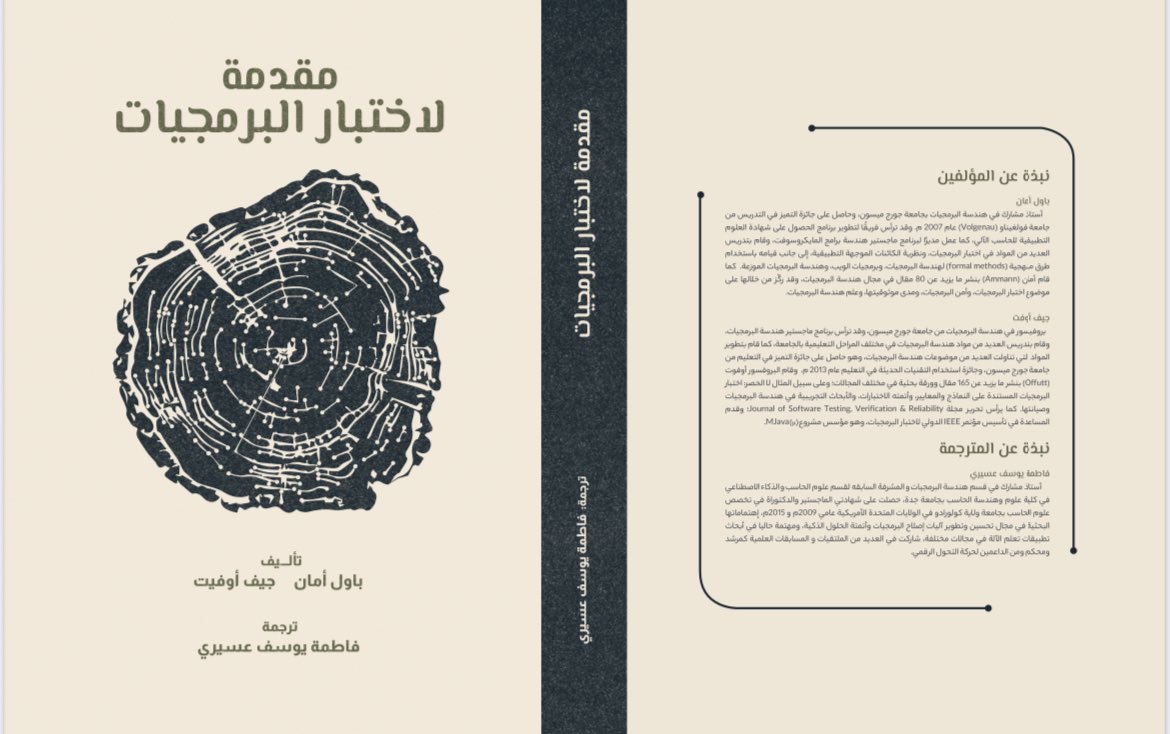
| Cover art by Peter Hoey |
|
| Translation by Fatmah Assiri |
| Arabic page |