
В кошику порожньо!
Drews contends that the "Indo-Europeanizing" of Europe began around . He identifies military conquest, rather than agricultural diffusion or simple migration, as the primary catalyst for the spread of Greek, Keltic, Germanic, and Italic languages.
In his 2017 book, Militarism and the Indo-Europeanizing of Europe , historian challenges the long-held "Kurgan theory" regarding how Indo-European languages spread . He argues that this transformation was not a slow migration of pastoralists, but a sudden, violent shift driven by revolutionary military technology. 🛡️ The Core Argument: A Military Takeover
Modern ancient DNA studies increasingly support earlier, massive migrations from the Steppe during the Yamnaya period (c. 3000 BC), complicating Drews' 1600 BC focus.
While praised for its broad synthesis of archaeology, linguistics, and ancient history, the book has faced several scholarly critiques:
Scholars from the University of Gothenburg and Vanderbilt University highlight his deep analysis of military technology as a vital contribution to understanding the Late Bronze Age. Militarism and the Indo-Europeanizing of Europe
The introduction of chariot warfare and large-scale "battlefield warfare".
Language didn't move with seeds; it moved with weapons and specialized warriors.
He dates the shift much later than the standard 4th–3rd millennium BC Kurgan model.
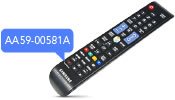
На багатьох пультах, на лицьовій стороні під нижнім рядом кнопок вказується модель. У рідкісних випадках, модель вказується на зворотному боці пульта або у відсіку для батарейок. На деяких пультах моделі немає взагалі. У таких випадках підбір необхідно здійснювати за зовнішнім виглядом пульта або за моделлю техніці. Якщо модель пульта Вам відома, скористайтеся пошуком на сайті pulti.ua, де Ви зможете порівняти пульт по фото, дізнатися ціну або проконсультуватися з менеджером магазину.
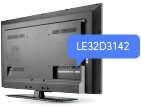
Необхідно знати модель техніки, до якої Ви шукайте пульт. Для пошуку моделі рекомендуємо скористуватися інструкцією, яка додається до техніки або, як правило, модель вказується на зворотному боці апаратури, якщо це телевізор. На DVD- плеєрах, аудиосистемах, домашніх кінотеатрах, ресиверах, супутникових тюнерах - модель, як правило, вказується на передній панелі. Зверніть увагу, що в інструкції завжди є схематичне зображення пульта, яке може дуже допомогти при підборі пульта для Вашої техніки. Militarism and the Indo-Europeanizing of Europe
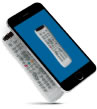
Не знайшли пульт? Нічого страшного! Якщо Ви зіткнулися зі складністю вибору пульта для техніки - зробіть фотографії вашого пульта або схематичного зображення з інструкції до вашої техніки, напишіть модель техніки і бренд, і відправте нам. Ми обов'язково допоможемо підібрати оригінальний пульт або запропонуємо кілька варіантів пультів, які замінять Ваш. Drews contends that the "Indo-Europeanizing" of Europe began
Відправити фото