
Kings - Djobi, Djoba (official Video) — Gipsy

The official video often features the band’s iconic setup: a row of several guitarists (often up to five or more) sitting together, emphasizing the collective power of their rhythmic strumming. This visual style became a hallmark of their "vibe"—often described as feeling like "sunshine, sand, and a heartbeat all at once".

"Djobi, Djoba" was originally released as an acoustic version on their 1982 album Allegria before being re-recorded for their self-titled 1987 breakthrough album. Alongside "Bamboléo," it helped the group achieve gold and platinum status in 15 countries by 1990, proving that their rhythmic "universal language" could transcend borders. Gipsy Kings - Djobi, Djoba (Official Video)

The track is famous for its "barrage" of flamenco guitars, rhythmic hand-claps ( palmas ), and soul-layered vocals led by Nicolas Reyes. The official video often features the band’s iconic

Experience the classic 1988 visual energy of the Gipsy Kings in their official music video: Gipsy Kings - Djobi, Djoba (Official HD Video) gipsykingsVEVO YouTube• Jun 13, 2022 Alongside "Bamboléo," it helped the group achieve gold

The official video for by the Gipsy Kings captures the band at the height of their global breakthrough in 1987-1988. It is a quintessential showcase of rumba flamenca , a style that blends traditional Spanish gypsy rhythms with pop and Latin influences. Key Highlights of the Track

Although the group members were born in the south of France (Arles and Montpellier), they are of Spanish Romani ( gitano ) descent, having fled Catalonia during the Spanish Civil War. Their music is performed in Andalusian Spanish.

What is the origin of the Gipsy Kings' song "Queiro Saber"? - Facebook
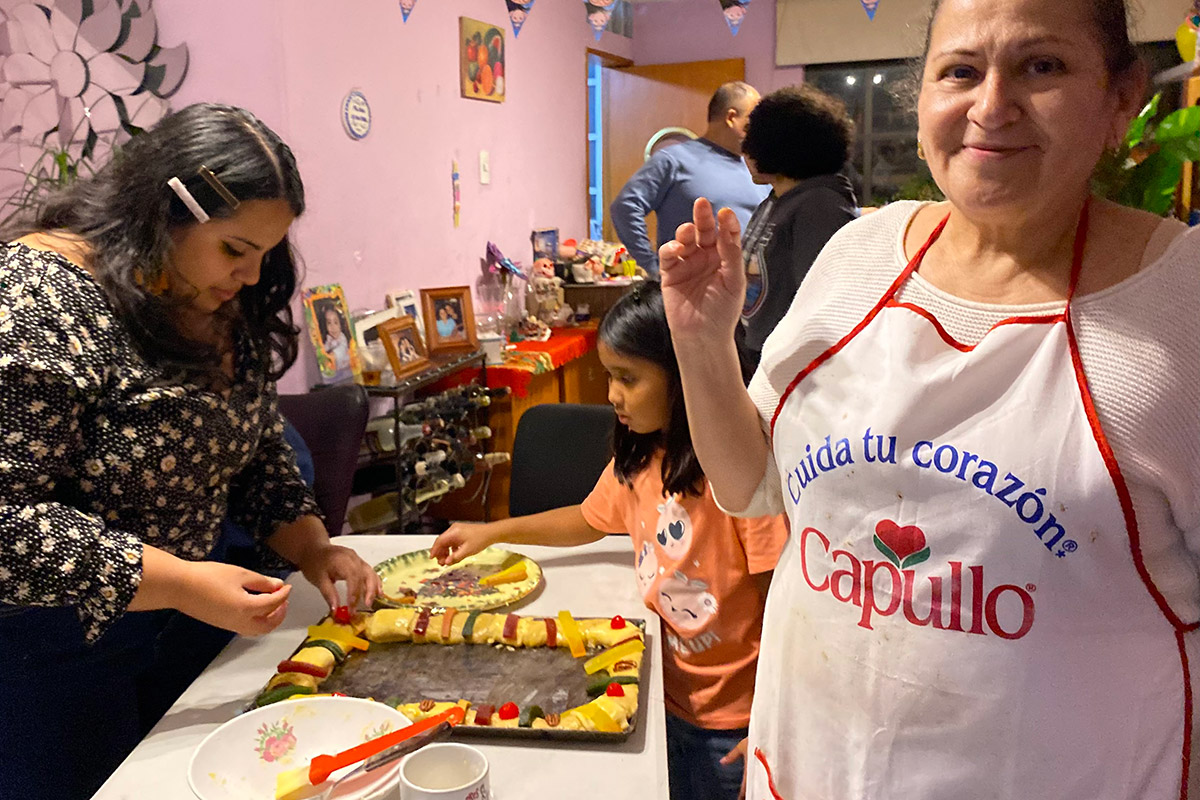
In the foreground, a woman wearing a white apron with a Spanish-language slogan smiles at the camera. Behind her, a young woman and young girl places strips of brightly colored fruit candy and nuts on top of a rectangular ring cake.

Dani and I decorate the Rosca de Reyes while my Tía Laura smiles.

Photo by Tomí García Téllez

The official video often features the band’s iconic setup: a row of several guitarists (often up to five or more) sitting together, emphasizing the collective power of their rhythmic strumming. This visual style became a hallmark of their "vibe"—often described as feeling like "sunshine, sand, and a heartbeat all at once".

"Djobi, Djoba" was originally released as an acoustic version on their 1982 album Allegria before being re-recorded for their self-titled 1987 breakthrough album. Alongside "Bamboléo," it helped the group achieve gold and platinum status in 15 countries by 1990, proving that their rhythmic "universal language" could transcend borders.

The track is famous for its "barrage" of flamenco guitars, rhythmic hand-claps ( palmas ), and soul-layered vocals led by Nicolas Reyes.

Experience the classic 1988 visual energy of the Gipsy Kings in their official music video: Gipsy Kings - Djobi, Djoba (Official HD Video) gipsykingsVEVO YouTube• Jun 13, 2022

The official video for by the Gipsy Kings captures the band at the height of their global breakthrough in 1987-1988. It is a quintessential showcase of rumba flamenca , a style that blends traditional Spanish gypsy rhythms with pop and Latin influences. Key Highlights of the Track

Although the group members were born in the south of France (Arles and Montpellier), they are of Spanish Romani ( gitano ) descent, having fled Catalonia during the Spanish Civil War. Their music is performed in Andalusian Spanish.

What is the origin of the Gipsy Kings' song "Queiro Saber"? - Facebook


Support the Folklife Festival, Smithsonian Folkways Recordings, Cultural Vitality Program, educational outreach, and more.

.