Feliz_cumpleanos_original_version_en_espanol [FREE ✯]
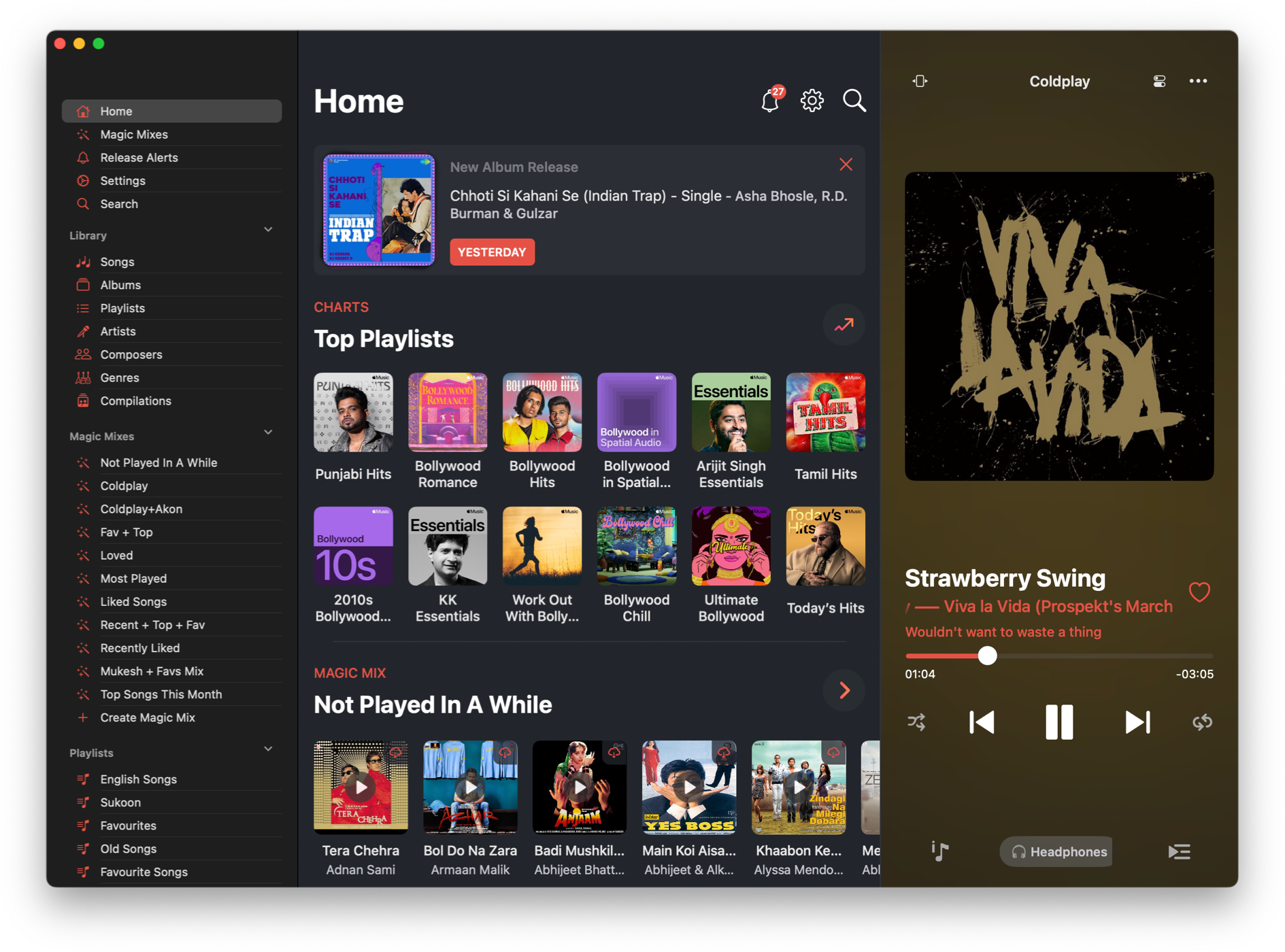
Tired of the stock Music app on your Mac? Give Soor a try! Download the free trial.
Tired of the stock Music app on your Mac? Give Soor a try! Download the free trial.
The only 3rd party music app with full Apple music support. Play, search, like, share and add songs from across the entire Apple Music catalogue.
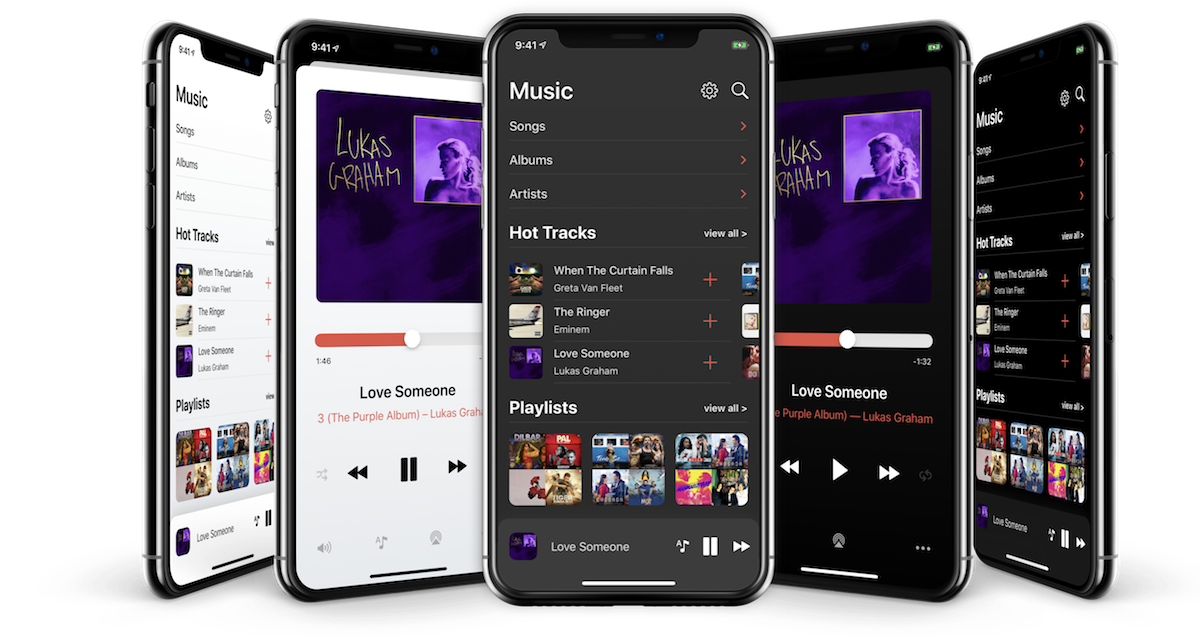
3 pre-defined themes to make the app look how you want. More theme colors coming soon.
In many Spanish-speaking cultures, particularly Mexico, the song ends with the "Mordisco." After singing, guests chant "¡Mordida, mordida!" and the birthday person must take a bite directly from the cake without using their hands (often resulting in their face being pushed into the frosting).
While there are many regional variations, the most common version of the song is a direct translation of the American melody composed by sisters Mildred J. Hill and Patty Hill in 1893. The Spanish lyrics were adapted to fit this world-famous meter, becoming the standard across Spain and Latin America. Standard Lyrics (The "Original" Translation) feliz_cumpleanos_original_version_en_espanol
While common at many parties, the singing of "Cumpleaños Feliz" usually serves as the transition from the high-energy games (like the piñata) to the quiet moment of making a wish and blowing out the candles. The Spanish lyrics were adapted to fit this
People often add a concluding chant: "¡Que los siga cumpliendo, hasta el año tres mil!" (May you keep having them until the year 3,000!). The traditional song is actually "Las Mañanitas," a
The traditional song is actually "Las Mañanitas," a folk song often performed by Mariachis. It is significantly longer and focuses on the beauty of the morning the person was born.