Compartir
Revista de Occidente o la modernidad española

Draw More Furries: How To Create Anthropomorphi... Review

Draw More Furries: How To Create Anthropomorphi... Review

Building a "furry" involves more than just swapping a head. You must bridge the gap between two different skeletal structures.

Anthropomorphic characters rely on human-like facial cues to communicate emotion.

: Start with a simple circle for the skull. Use geometric shapes—like polygons or trapezoids—to map out the muzzle based on your reference animal. Draw More Furries: How to Create Anthropomorphi...

: Enhance expressions with animal-specific movements, such as swiveling ears for alertness or flattening them for anger.

: Keep facial features and body proportions stable across different angles by creating a reference sheet. 3. Mastering "Scalies" and Mythological Beings Building a "furry" involves more than just swapping a head

: You can blend these by adding "beans" (paw pads) and claws to a humanoid hand structure. Ensure the metacarpal pads follow a natural three-leaf clover or oval shape. 2. Facial Expressions and Personality

To create compelling anthropomorphic characters, you must master the fusion of human and animal traits while ensuring the final design feels believable and consistent. This guide, based on the principles in Draw More Furries: How to Create Anthropomorphic Fantasy Creatures , covers everything from foundational anatomy to final scene-building. 1. Hybrid Anatomy and Proportions : Start with a simple circle for the skull

The guide extends beyond fur to include a variety of exotic and fantasy creatures.
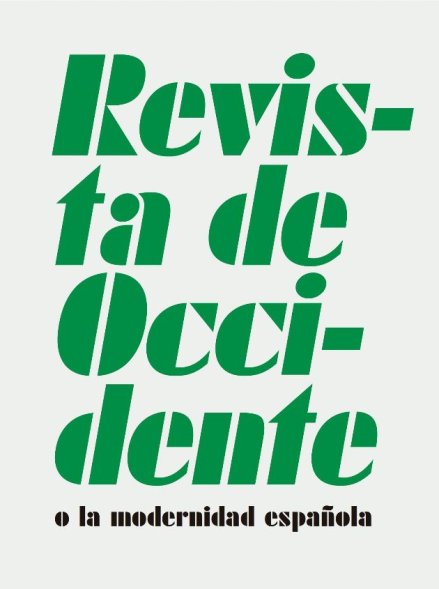
Revista de Occidente o la modernidad española (eBook)
Libros digitales

Revista de Occidente o la modernidad española (eBook)

  • Tipo de publicación: Catálogo de exposición

Este catálogo acompaña a la exposición "Revista de Occidente o la modernidad española", comisariada por Juan Manuel Bonet, una iniciativa que conmemora el centenario de la Revista. 

ÍNDICE
- Divagaciones occidentales: Revista de Occidente 1923-1936 mes a mes. Juan Manuel Bonet.
- Revista de Occidente en la Edad de Plata. Fernando R. Lafuente.
- Fernando Vela, al pie de la obra. Juan Marqués
- Ortega, a la sombra de la Telefónica. Fernando Castillo
- Relación de obra 

Enlaces de Interés

Noticias relacionadas

Línea de tiempo

Recibe las últimas NOVEDADES

Building a "furry" involves more than just swapping a head. You must bridge the gap between two different skeletal structures.

Anthropomorphic characters rely on human-like facial cues to communicate emotion.

: Start with a simple circle for the skull. Use geometric shapes—like polygons or trapezoids—to map out the muzzle based on your reference animal.

: Enhance expressions with animal-specific movements, such as swiveling ears for alertness or flattening them for anger.

: Keep facial features and body proportions stable across different angles by creating a reference sheet. 3. Mastering "Scalies" and Mythological Beings

: You can blend these by adding "beans" (paw pads) and claws to a humanoid hand structure. Ensure the metacarpal pads follow a natural three-leaf clover or oval shape. 2. Facial Expressions and Personality

To create compelling anthropomorphic characters, you must master the fusion of human and animal traits while ensuring the final design feels believable and consistent. This guide, based on the principles in Draw More Furries: How to Create Anthropomorphic Fantasy Creatures , covers everything from foundational anatomy to final scene-building. 1. Hybrid Anatomy and Proportions

The guide extends beyond fur to include a variety of exotic and fantasy creatures.