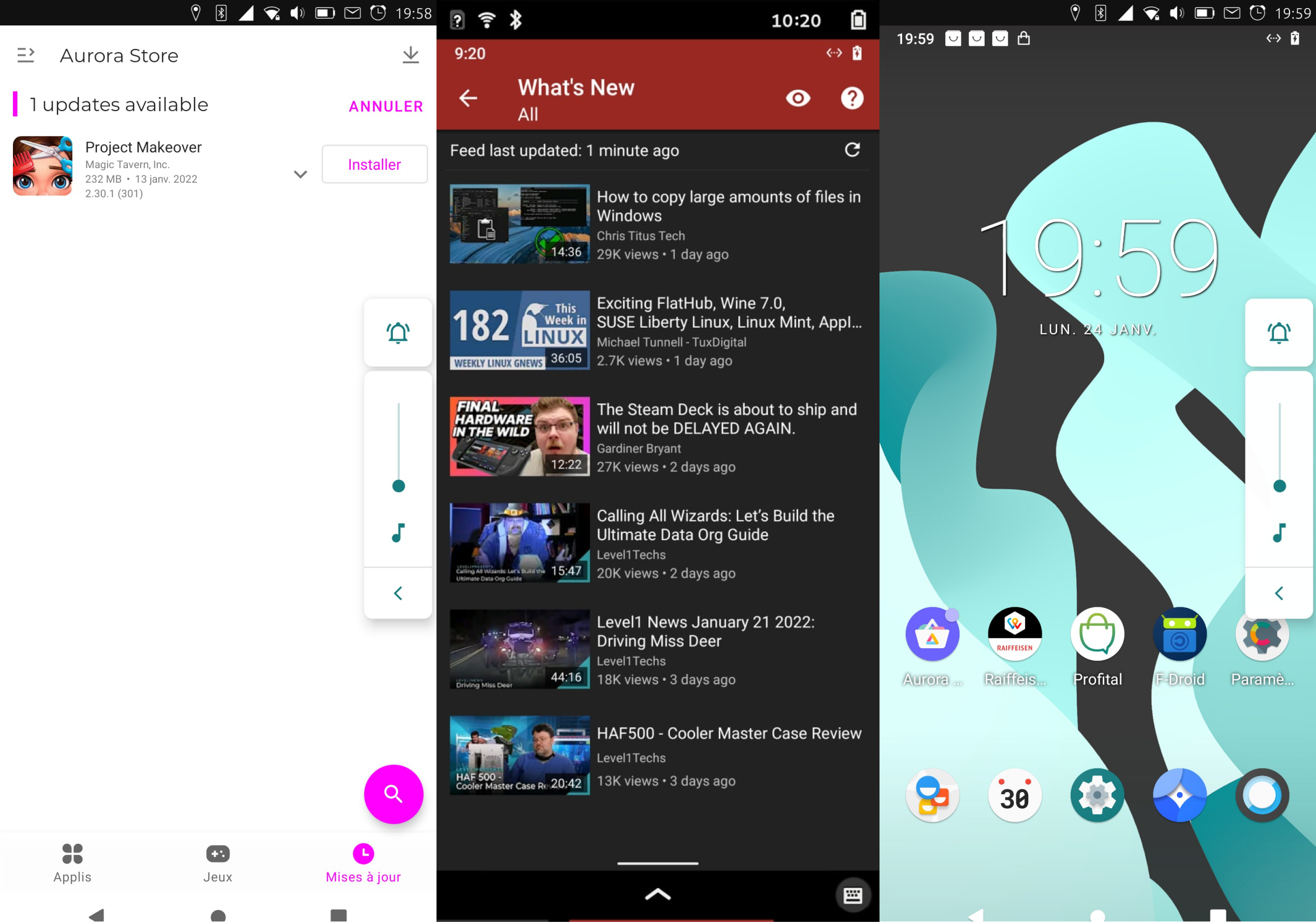
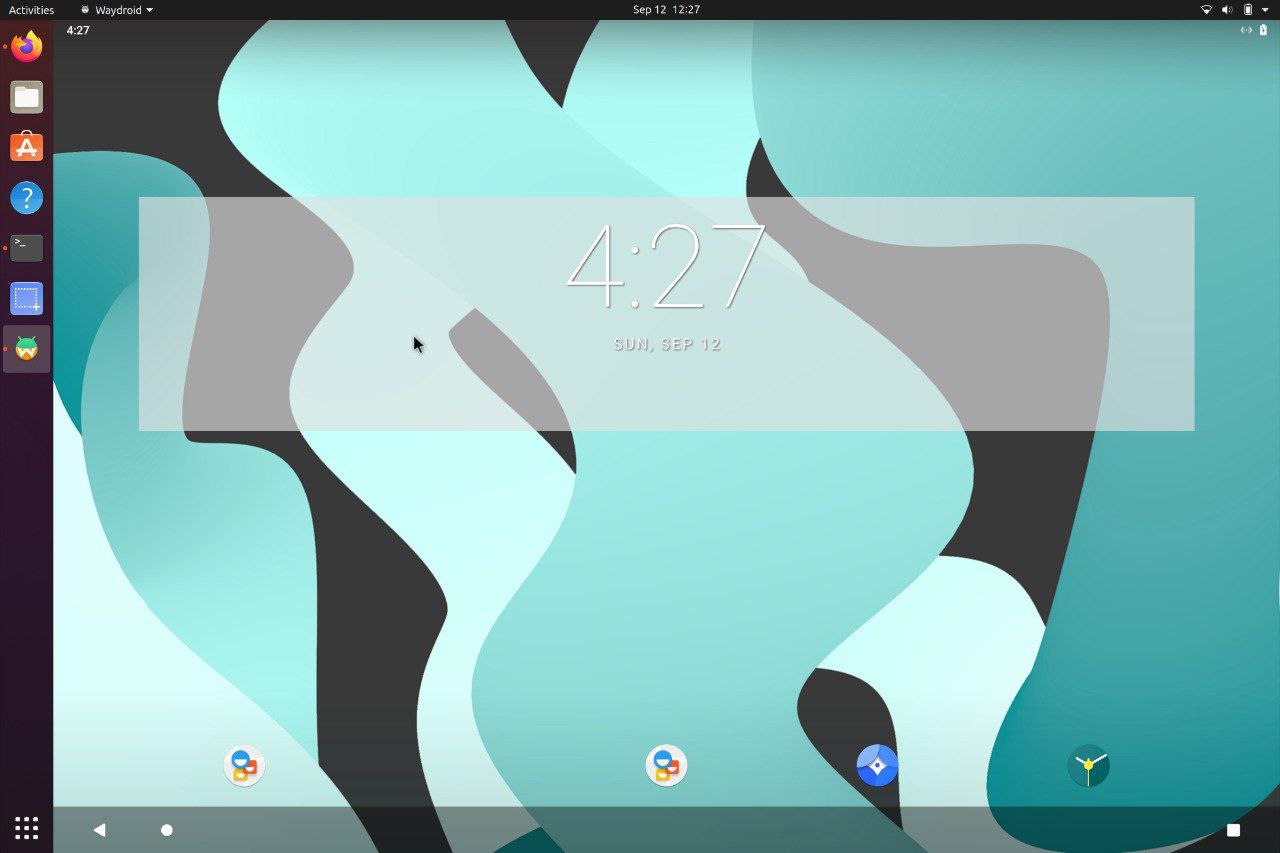
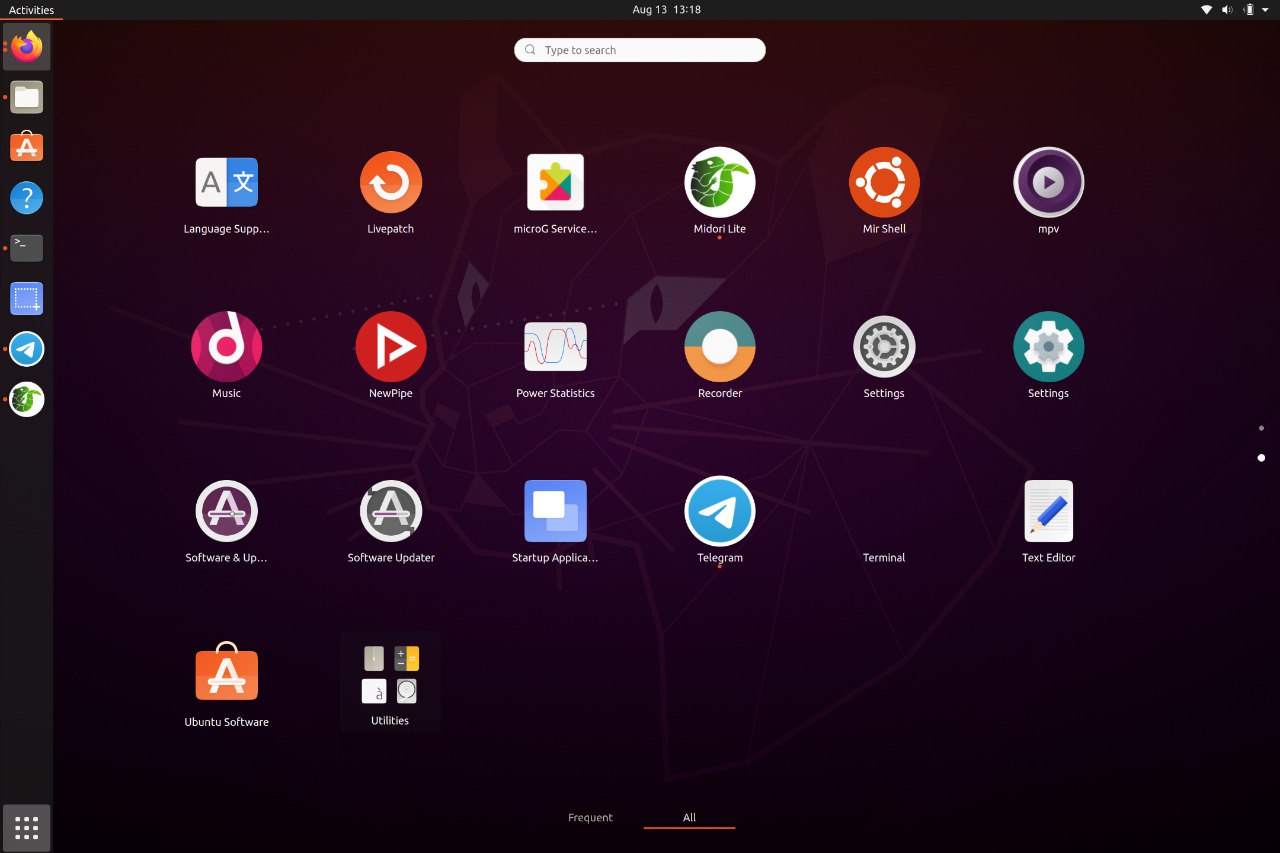
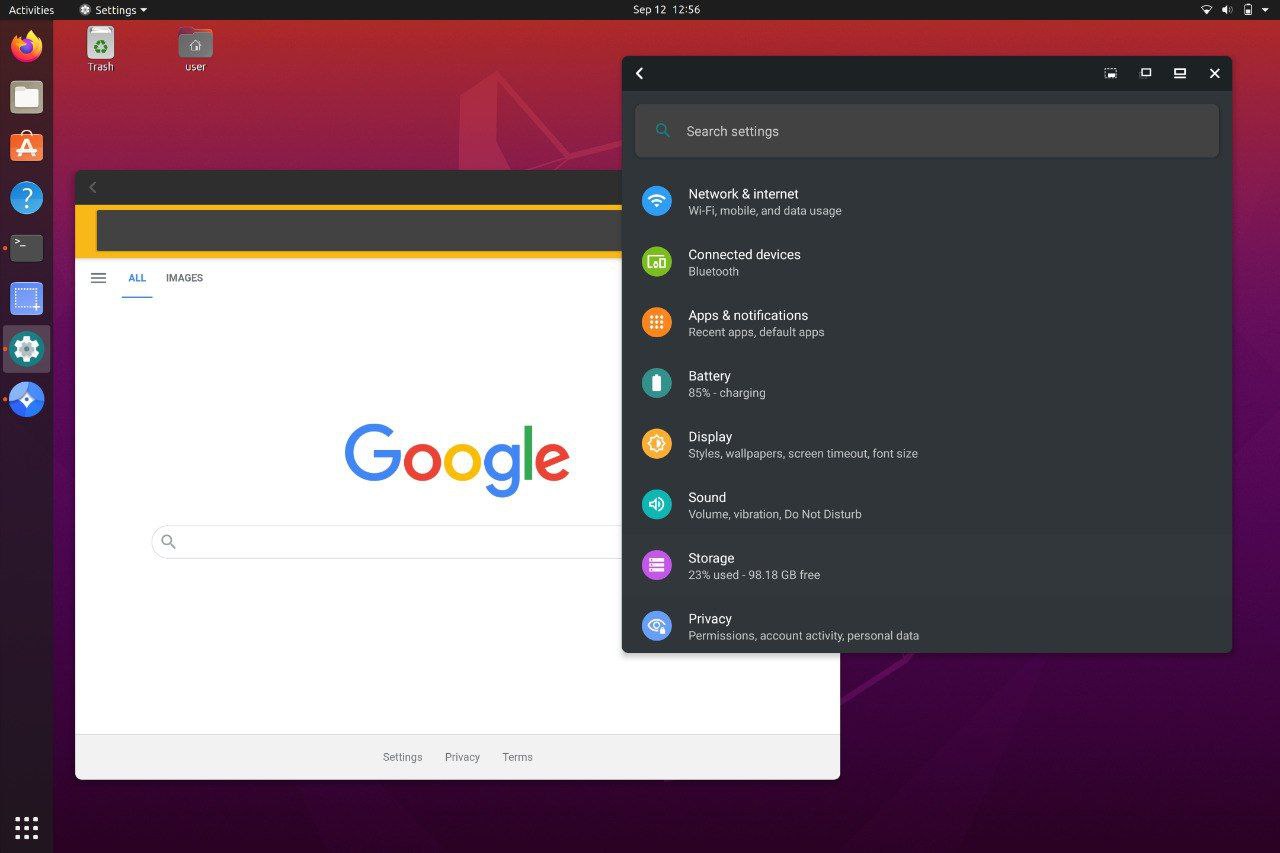
A container-based approach to boot a full Android system on regular GNU/Linux systems running Wayland based desktop environments.
: A reliable repository for EEPROM and firmware dumps. You can find dumps for similar chassis like the Schneider SCH-3281 and Vivax TV-32LE73 which share the PT851 board.
Navigate to to initiate the process. Method 2: External Programmer (If the TV is dead/stuck)
. Below is a guide on obtaining and applying the firmware dump for this specific board. The firmware (dump) for the SIS231 PT851
If the TV does not boot, you must use an external programmer like the , Go to product viewer dialog for this item. , or Go to product viewer dialog for this item. .
Since these are generic "China-made" boards, there is no single official manufacturer site. You can find the necessary files on technical community forums and database sites:
: Useful for finding the TP.SIS231.PT85 Service Manual to verify voltage and hardware settings before flashing. Flashing Instructions There are two primary ways to apply firmware to this board: Method 1: USB Update (If the TV can boot) Download the .rar file and extract the .bin firmware file. Copy the file to the root of a FAT32-formatted USB drive. Insert the USB into the TV's port.
The is a common "three-in-one" motherboard often found in 28-inch to 32-inch LED TVs like the
is stored on an SPI Flash memory chip. It is used to resolve common software issues such as: TV stuck on the logo screen (boot loop). Blank screen with a working backlight. Software-related sound or HDMI input failures.
Waydroid brings all the apps you love, right to your desktop, working side by side your Linux applications.
The Android inside the container has direct access to needed hardwares.
The Android runtime environment ships with a minimal customized Android system image based on LineageOS. The used image is currently based on Android 13
Our documentation site can be found at docs.waydro.id
Bug Reports can be filed on our repo Github Repo
Our development repositories are hosted on Github
Please refer to our installation docs for complete installation guide.
You can also manually download our images from
SourceForge
For systemd distributions
Follow the install instructions for your linux distribution. You can find a list in our docs.
After installing you should start the waydroid-container service, if it was not started automatically:
sudo systemctl enable --now waydroid-container
Then launch Waydroid from the applications menu and follow the first-launch wizard.
If prompted, use the following links for System OTA and Vendor OTA:
https://ota.waydro.id/system
https://ota.waydro.id/vendor
For further instructions, please visit the docs site here
: A reliable repository for EEPROM and firmware dumps. You can find dumps for similar chassis like the Schneider SCH-3281 and Vivax TV-32LE73 which share the PT851 board.
Navigate to to initiate the process. Method 2: External Programmer (If the TV is dead/stuck)
. Below is a guide on obtaining and applying the firmware dump for this specific board. The firmware (dump) for the SIS231 PT851
If the TV does not boot, you must use an external programmer like the , Go to product viewer dialog for this item. , or Go to product viewer dialog for this item. .
Since these are generic "China-made" boards, there is no single official manufacturer site. You can find the necessary files on technical community forums and database sites:
: Useful for finding the TP.SIS231.PT85 Service Manual to verify voltage and hardware settings before flashing. Flashing Instructions There are two primary ways to apply firmware to this board: Method 1: USB Update (If the TV can boot) Download the .rar file and extract the .bin firmware file. Copy the file to the root of a FAT32-formatted USB drive. Insert the USB into the TV's port.
The is a common "three-in-one" motherboard often found in 28-inch to 32-inch LED TVs like the
is stored on an SPI Flash memory chip. It is used to resolve common software issues such as: TV stuck on the logo screen (boot loop). Blank screen with a working backlight. Software-related sound or HDMI input failures.
Here are the members of our team