Show Focus Points
2019 update released! Check out download page for details
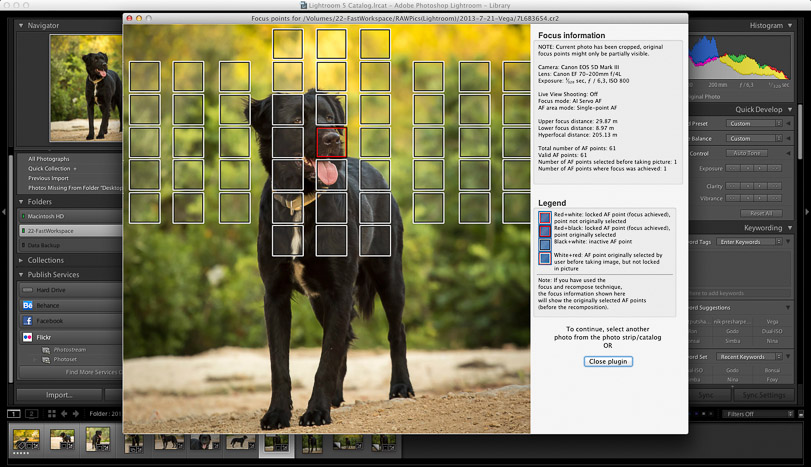
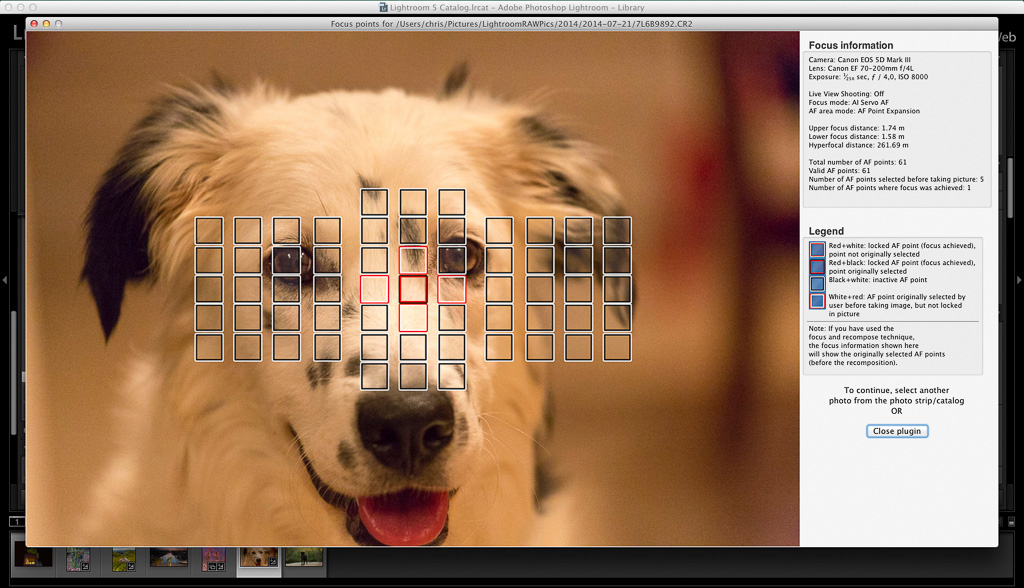
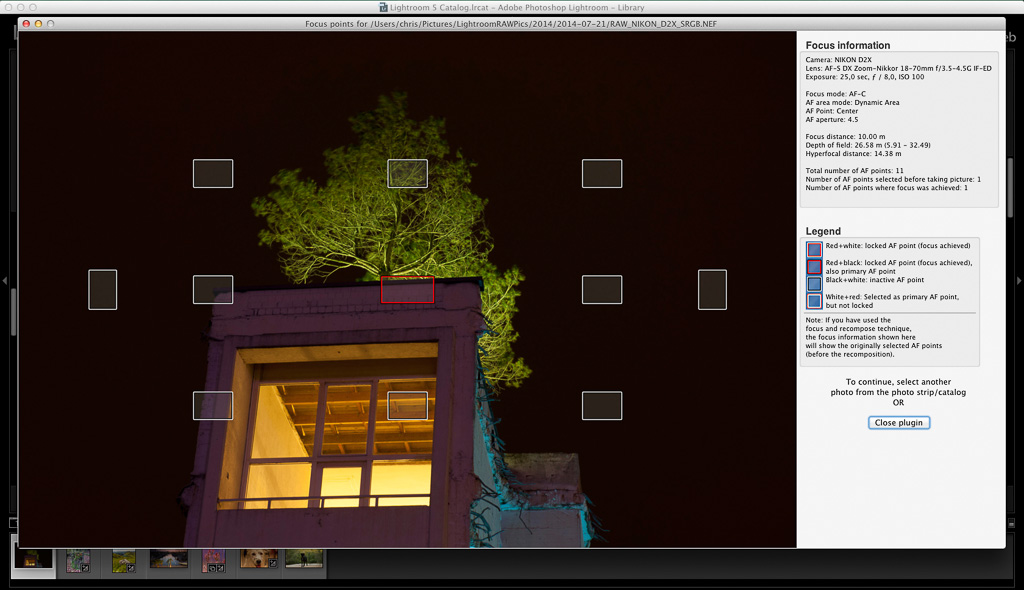
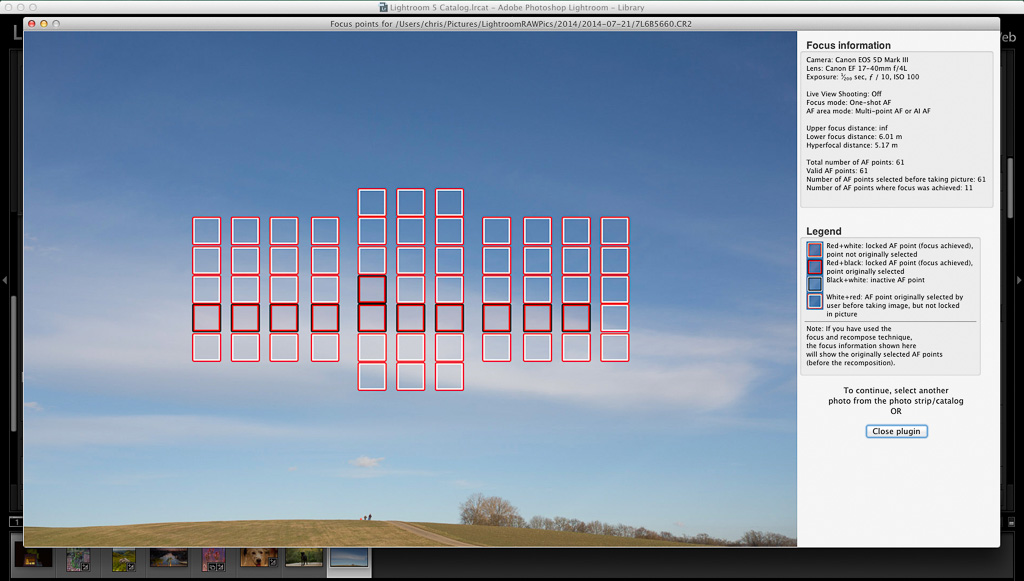
Show Focus Points is a plugin for Adobe Lightroom. It shows you which focus points were selected by your camera when the photo was taken.
Show Focus Points
2019 update released! Check out download page for details
Show Focus Points is a plugin for Adobe Lightroom. It shows you which focus points were selected by your camera when the photo was taken.
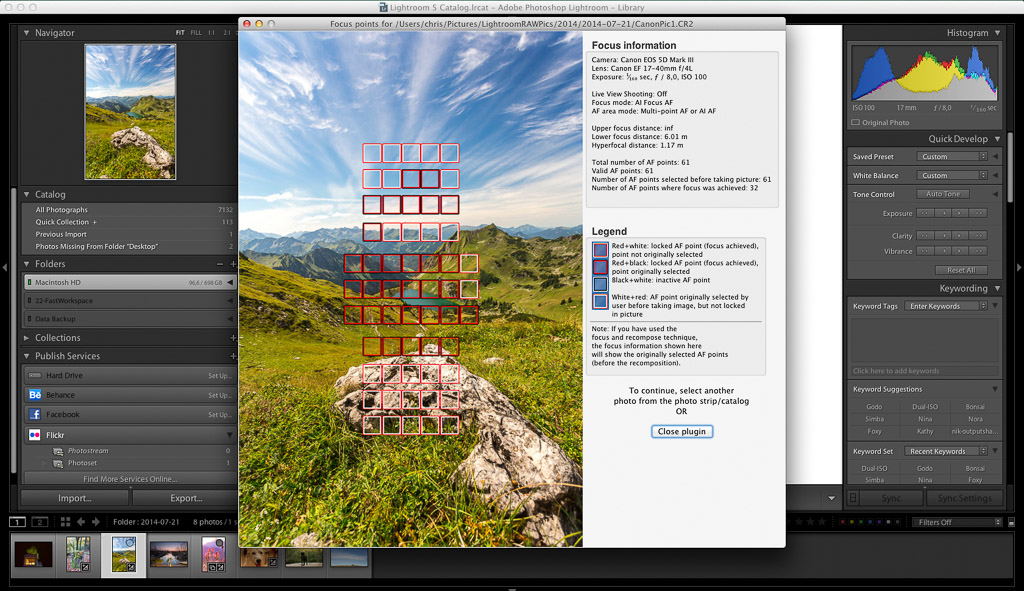
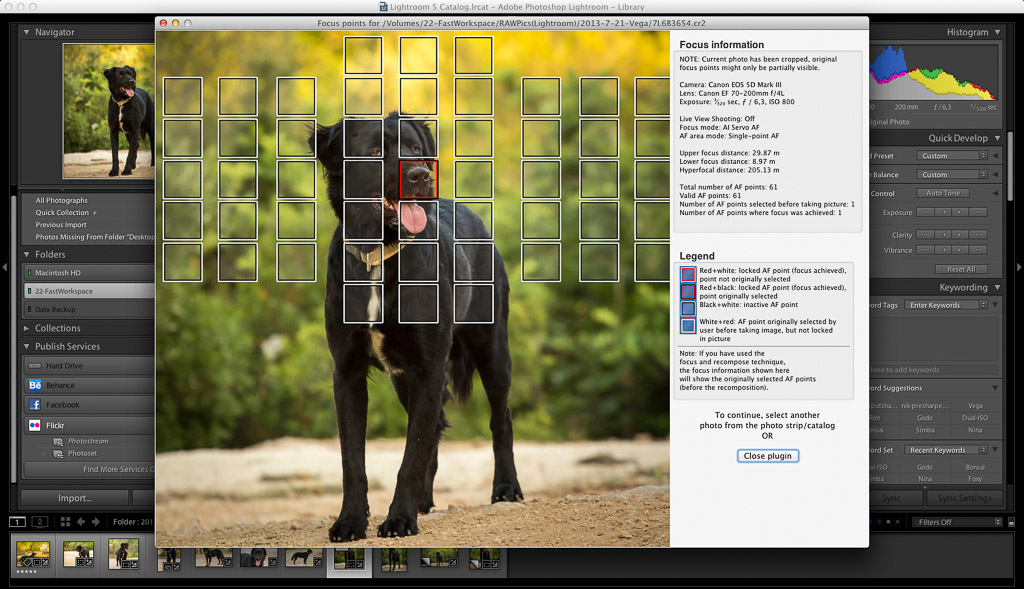
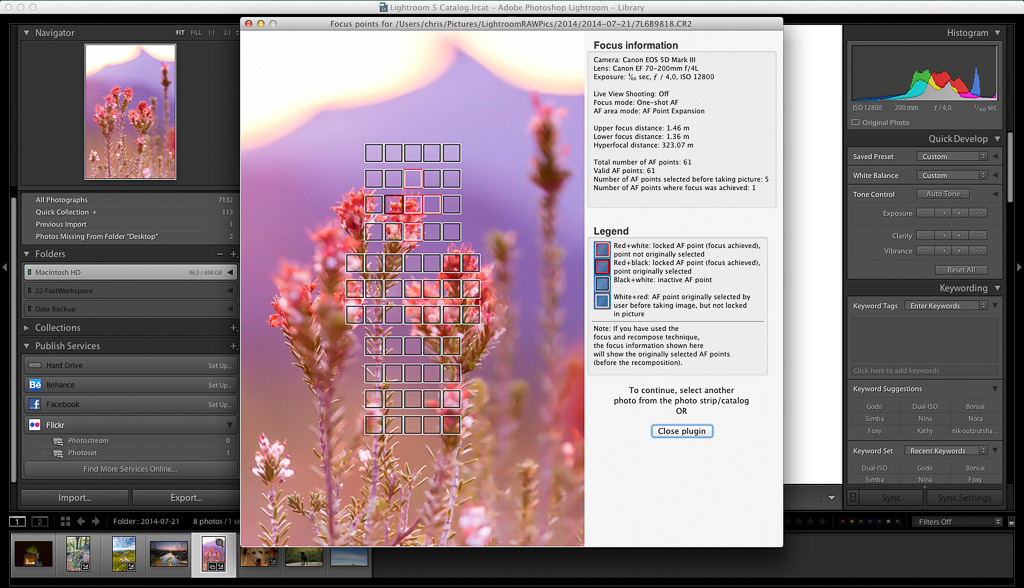
Show Focus Points is a plugin for Adobe Lightroom which shows you which of your camera's focus points were used when you took a picture.
Below find some screenshots of the plugin in action.
Click on the images to enlarge them.
Download Mac-only version (6.6 MB)
Download Windows-only version (14 MB)
Download version containing both Mac+Windows versions (20 MB)
: This isn't just a wood texture; it’s a growth simulator. You can adjust the plank variation, wood grain intensity, and "wear and tear" (scratches/scuffs) in real-time. This is crucial for architectural visualization where you need a floor to look lived-in but not identical to every other render.
: You no longer have to re-download assets if a client wants "lighter wood." You simply move a slider. Download File PoliigonWoodBrickClothGenerators ...
: This tool focuses on the physicality of weave . Instead of a flat image, you control the thread count, fuzziness (sheen), and wrinkle patterns. It’s particularly powerful for furniture designers who need to swap between a tight linen and a heavy wool weave without re-mapping the entire model. Why This Matters for Your Workflow : This isn't just a wood texture; it’s a growth simulator
: The "deep" value here lies in the mortar control . You can change the depth of the grout, add "efflorescence" (that white salty buildup on old bricks), and randomize individual brick rotations. It solves the "perfect CG wall" problem that often ruins realism. : You no longer have to re-download assets
For years, 3D artists followed a linear path: find a high-res texture, download a 5GB zip file, and hope the tiling worked. The Poliigon Generators change this by moving the "creation" phase into your 3D software (Blender, 3ds Max, etc.), allowing you to customize the DNA of the material rather than just its surface. Key Generator Breakdowns
When using these generators, pay close attention to the . Generative bricks and cloth rely heavily on geometry detail to look real. Ensure your "Subdivision Surface" (or equivalent) is set high enough to capture the procedural depth created by the generator’s height maps.
: Because you randomize the seed and settings, no two artists will have the exact same material, even if they use the same generator. Technical Implementation Tip
: This isn't just a wood texture; it’s a growth simulator. You can adjust the plank variation, wood grain intensity, and "wear and tear" (scratches/scuffs) in real-time. This is crucial for architectural visualization where you need a floor to look lived-in but not identical to every other render.
: You no longer have to re-download assets if a client wants "lighter wood." You simply move a slider.
: This tool focuses on the physicality of weave . Instead of a flat image, you control the thread count, fuzziness (sheen), and wrinkle patterns. It’s particularly powerful for furniture designers who need to swap between a tight linen and a heavy wool weave without re-mapping the entire model. Why This Matters for Your Workflow
: The "deep" value here lies in the mortar control . You can change the depth of the grout, add "efflorescence" (that white salty buildup on old bricks), and randomize individual brick rotations. It solves the "perfect CG wall" problem that often ruins realism.
For years, 3D artists followed a linear path: find a high-res texture, download a 5GB zip file, and hope the tiling worked. The Poliigon Generators change this by moving the "creation" phase into your 3D software (Blender, 3ds Max, etc.), allowing you to customize the DNA of the material rather than just its surface. Key Generator Breakdowns
When using these generators, pay close attention to the . Generative bricks and cloth rely heavily on geometry detail to look real. Ensure your "Subdivision Surface" (or equivalent) is set high enough to capture the procedural depth created by the generator’s height maps.
: Because you randomize the seed and settings, no two artists will have the exact same material, even if they use the same generator. Technical Implementation Tip