Literature

Veteran Dies Alone Вђ” Arewanmu: Album: Sinг©ad O'connor Вђ“ No

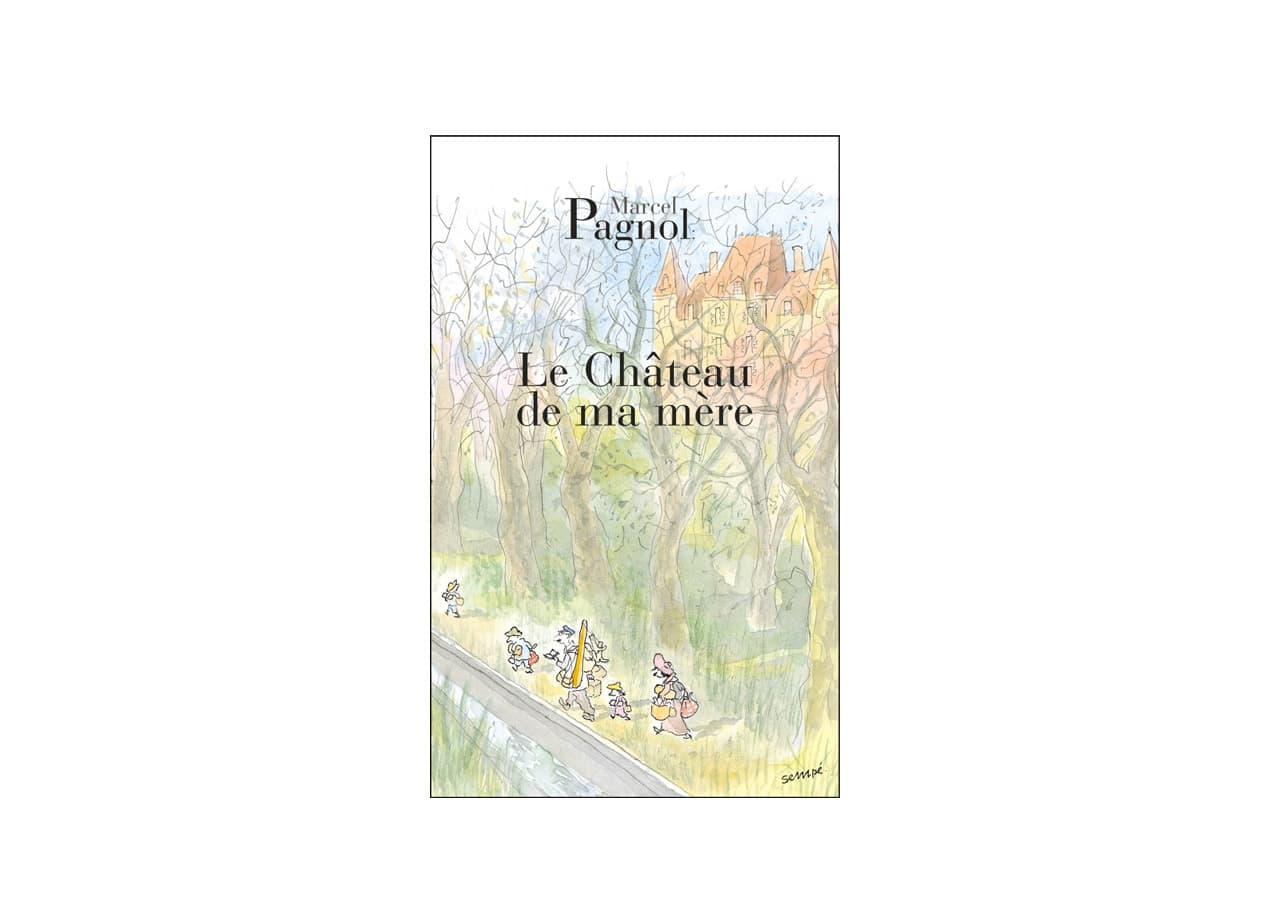
The most beautiful book on child friendship: one morning while hunting in the hills, Marcel meets the little peasant, Lili des Bellons. His vacations and his whole life will be illuminated by it.

The most beautiful book about childhood friendship.

Summary

One year after La Gloire de mon père (My Father’s Glory), Marcel Pagnol thought he would conclude his childhood memories with this Château de ma mère (1958), the second part of what he considered as a diptych, ending with the famous scene of the ferocious guardian frightening the timid Augustine. Little Marcel, after the family tenderness, discovered friendship with the wonderful Lili, undoubtedly the most endearing of his characters. The book closes with a melancholic epilogue, a poignant elegy to the time that has passed. In it, Pagnol strikes a chord of gravity to which he has rarely accustomed his readers.

Hey friend! “
I saw a boy about my age looking at me sternly. You shouldn’t touch other people’s traps,” he said. “A trap is sacred!
” 

– “I wasn’t going to take it,” I said. “I wanted to see the bird.” 

He approached: “it was a small peasant. He was, brown, with a fine Provencal face, black eyes and long girlish lashes.”

Buy online

You will also like:

Veteran Dies Alone Вђ” Arewanmu: Album: Sinг©ad O'connor Вђ“ No

Thematic focus on the "veteran" acts as a metaphor for anyone who has survived systemic or personal abuse. O’Connor, who was a vocal survivor of both, uses this imagery to offer a sense of solidarity and communal grace. The lyrics bridge the gap between the divine and the terrestrial, often leaning into the spiritual folk and gospel influences that colored her later work. It is an album that seeks to provide the very comfort O’Connor often lacked in the public eye, emphasizing that at the end of the struggle, there is a space for peace.

Sinéad O’Connor’s "No Veteran Dies Alone" stands as a haunting, poignant final chapter in the career of one of music’s most uncompromising voices. Though the album’s release and completion were complicated by her passing in 2023, the body of work remains a profound meditation on healing, trauma, and the human condition. It serves as both a sonic departure and a spiritual homecoming for an artist who spent decades navigating the turbulent waters of fame and personal struggle. Thematic focus on the "veteran" acts as a

Produced largely in collaboration with David Holmes, the record moves away from the raw, punk-infused energy of her early years toward a more atmospheric, soulful sound. The title itself suggests a shift in perspective—from the defiant "lion" to a "veteran" of life’s many battles. O’Connor’s vocals, though aged and weathered, retain their crystalline purity and emotional weight. She no longer needs to scream to be heard; her power lies in the quiet, steady delivery of hard-won truths. It is an album that seeks to provide

Critically, the album highlights her ability to interpret the zeitgeist through a lens of empathy. In a world increasingly fractured by isolation, the central thesis—that no one should face their finality in solitude—resonates with universal urgency. It is an album of closure. While her debut was a shout for recognition, "No Veteran Dies Alone" is a gentle hand reaching out from the shadows, proving that Sinéad O’Connor’s ultimate legacy was not just her controversy, but her bottomless capacity for compassion. It serves as both a sonic departure and
Thematic focus on the "veteran" acts as a metaphor for anyone who has survived systemic or personal abuse. O’Connor, who was a vocal survivor of both, uses this imagery to offer a sense of solidarity and communal grace. The lyrics bridge the gap between the divine and the terrestrial, often leaning into the spiritual folk and gospel influences that colored her later work. It is an album that seeks to provide the very comfort O’Connor often lacked in the public eye, emphasizing that at the end of the struggle, there is a space for peace.

Sinéad O’Connor’s "No Veteran Dies Alone" stands as a haunting, poignant final chapter in the career of one of music’s most uncompromising voices. Though the album’s release and completion were complicated by her passing in 2023, the body of work remains a profound meditation on healing, trauma, and the human condition. It serves as both a sonic departure and a spiritual homecoming for an artist who spent decades navigating the turbulent waters of fame and personal struggle.

Produced largely in collaboration with David Holmes, the record moves away from the raw, punk-infused energy of her early years toward a more atmospheric, soulful sound. The title itself suggests a shift in perspective—from the defiant "lion" to a "veteran" of life’s many battles. O’Connor’s vocals, though aged and weathered, retain their crystalline purity and emotional weight. She no longer needs to scream to be heard; her power lies in the quiet, steady delivery of hard-won truths.

Critically, the album highlights her ability to interpret the zeitgeist through a lens of empathy. In a world increasingly fractured by isolation, the central thesis—that no one should face their finality in solitude—resonates with universal urgency. It is an album of closure. While her debut was a shout for recognition, "No Veteran Dies Alone" is a gentle hand reaching out from the shadows, proving that Sinéad O’Connor’s ultimate legacy was not just her controversy, but her bottomless capacity for compassion.